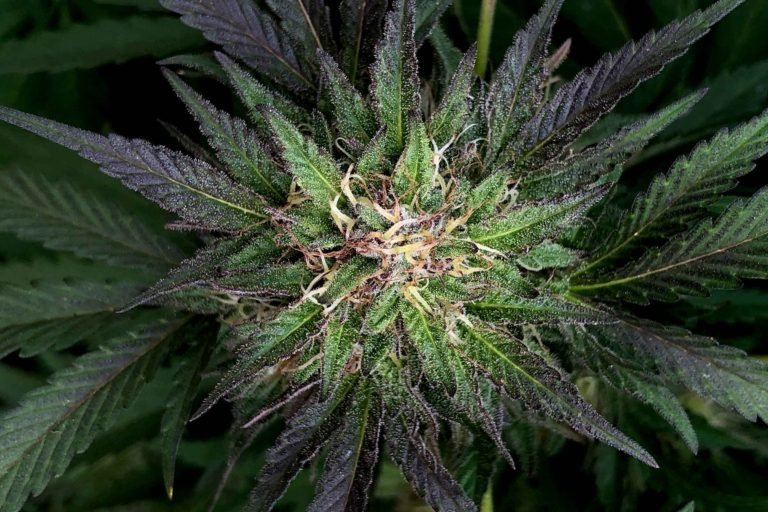


The question of IF or when healthcare will cover medical marijuana is complex and depends on several legal, regulatory, and scientific developments. Here are some key factors that need to change before health insurance companies will likely start covering medical marijuana:
1. Federal Legalization or Reclassification
- Current Status: Marijuana is classified as a Schedule I controlled substance under the U.S. Controlled Substances Act, which means the federal government considers it to have no accepted medical use and a high potential for abuse. This classification is a major barrier to health insurance coverage.
- What Needs to Happen: For health insurance companies to consider covering medical marijuana, it would need to be reclassified or removed from Schedule I. This could happen through congressional action, changes in policy by federal agencies like the DEA, or evolving legal challenges. Full federal legalization of marijuana, which is currently debated in Congress, would likely accelerate the possibility of coverage.
2. FDA Approval
- Current Status: Most marijuana-based products are not approved by the Food and Drug Administration (FDA) for medical use, with the exception of a few cannabis-derived medications like Epidiolex (used for epilepsy) and Marinol (a synthetic form of THC used to treat nausea and appetite loss in cancer patients).
- What Needs to Happen: For broader medical marijuana products to be covered by insurance, more clinical trials and scientific research need to demonstrate their effectiveness for treating various conditions. FDA approval of specific marijuana strains, products, or dosages would make it more likely for insurers to cover those treatments. This is a time-consuming process that involves significant investment in research and regulatory approval.
3. Standardization and Regulation
- Current Status: Medical marijuana is not yet standardized in terms of dosage, purity, and quality control. The lack of consistent standards across states and dispensaries makes it difficult for health insurers to treat marijuana like other prescription drugs.
- What Needs to Happen: For medical marijuana to be covered by insurance, there would need to be standardized formulations and more precise dosing guidelines, similar to how other prescription medications are handled. Regulatory oversight from bodies like the FDA would ensure consistency in quality, making it more feasible for insurers to cover the costs.
4. State vs. Federal Discrepancies
- Current Status: Medical marijuana is legal in many states, but federal law still prohibits its use. This legal conflict creates challenges for healthcare providers, pharmacies, and insurance companies that operate under both state and federal regulations.
- What Needs to Happen: Harmonization of state and federal laws regarding marijuana is essential. If federal law aligns with state laws, insurance companies could more easily justify covering medical marijuana for conditions that states have approved.
5. Pressure from Patients and Healthcare Providers
- Current Status: As medical marijuana becomes more popular and accepted by patients and some healthcare providers, there is growing pressure on legislators and insurance companies to include it in coverage options.
- What Needs to Happen: Continued advocacy from patients, healthcare providers, and organizations will be crucial in pushing for changes to medical marijuana laws. As more states legalize marijuana for medical or recreational use, there may be stronger momentum toward creating a framework for insurance coverage.
6. Cost-Benefit Analysis for Insurers
- Current Status: Insurance companies need to see that covering medical marijuana will be cost-effective. Right now, they may be wary of covering a product that lacks standardization and federal approval.
- What Needs to Happen: More research is needed to demonstrate the cost-effectiveness of medical marijuana in treating conditions like chronic pain, anxiety, and PTSD, as compared to traditional treatments. If studies show that medical marijuana reduces the need for more expensive pharmaceuticals or treatments, insurers may be more likely to cover it.
Timeline for Change
There is no definitive timeline for when medical marijuana will be covered by health insurance, but progress is being made. The timeline will depend on several factors:
- Federal legalization efforts: If marijuana is legalized or reclassified federally, coverage could happen within a few years.
- FDA approval: This process could take several years, as clinical trials and research studies are needed to prove efficacy and safety.
- Political and social pressure: As more states legalize medical marijuana and patients demand coverage, this pressure could hasten regulatory changes within the next decade.
Healthcare coverage for medical marijuana depends on changes in federal law, FDA approval, and more research into its medical benefits. While there is no clear answer for exactly when this will happen, the growing momentum toward legalization and the expanding body of research suggest that insurance coverage for medical marijuana could become a reality within the next 5-10 years. Practices like Natural Green Healing, which offer holistic care options, including psychiatric treatments, will likely be at the forefront of integrating these advancements into patient care when the time comes.
Buy vape cartridges online Europe: In recent years, the EU has seen a growing demand for high-quality cannabis products — not only for recreational enjoyment but also for therapeutic relief. Whether you’re looking for THC-rich flower, balanced CBD oil, or convenient edibles and vape cartridges, online dispensaries have made it easier than ever to access premium cannabis safely and discreetly.